Introduction: A Crucial Intersection
Imagine standing in a bustling chemical plant, surrounded by the hum of machinery and the smell of various reactive substances. You might wonder: “Why do failures always occur during the sulfuric acid production process?” Well, it often boils down to the effectiveness of the catalyst—specifically, the catalyst for sulphuric acid. This fundamental component can significantly influence both the efficiency and cost of production. With the global demand for sulfuric acid skyrocketing, optimizing the catalyst’s performance is more pertinent than ever.

Body: Understanding Catalyst Dynamics
Flaws in Traditional Solutions
First off, traditional catalysts used in sulphuric acid manufacture often fall short on efficiency and longevity. They may degrade under high temperatures or form unwanted by-products. Look, it’s simpler than you think: If you’re using a broken-down catalyst, your production will lag, and costs will soar. Without effective catalysts, the sulfuric acid production process can become slow and ineffective.
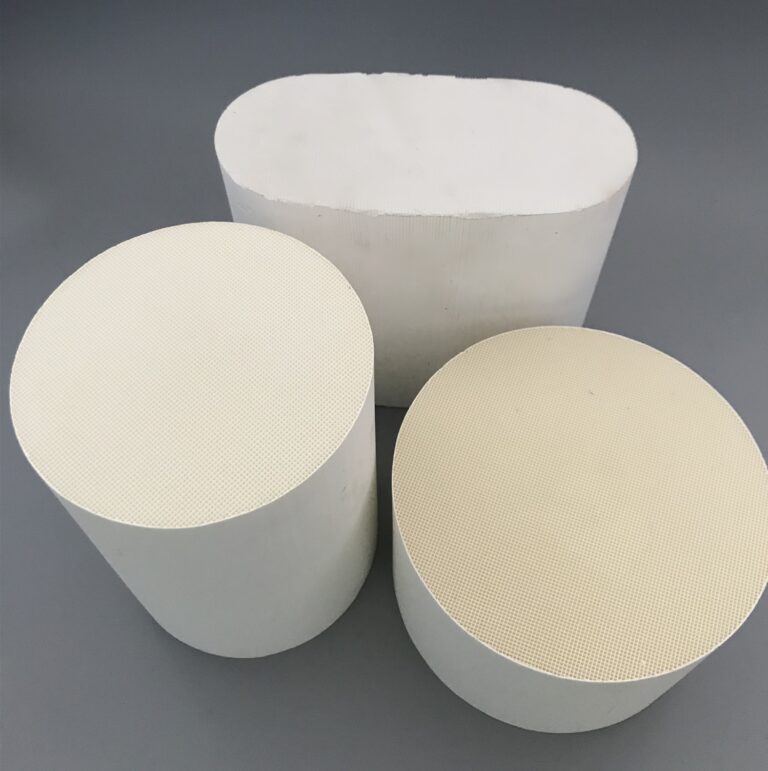
Unpacking New Technology Principles
Enter innovative catalysts designed with cutting-edge technology that enhances reaction rates and stability. These updated materials often employ advanced biocompatibility techniques and sustainable methodologies, which means they can withstand higher operational temperatures without compromising their chemical integrity. Isn’t it fascinating how technology reshapes even our chemical practices? Such advancements not only improve production efficiency but also cut unnecessary costs.
Quantified User Benefits
When a reliable catalyst is in use, users can quantify substantial benefits—think reduced operational downtime and lower maintenance costs. Fact is, many facilities report improved output by up to 30% simply by switching to a more efficient catalyst. A big win for profitability, right? So, if you’re still settling for outdated solutions, it’s high time to rethink your strategy.
Conclusion: Evaluate Your Catalyst Choices Wisely
In your quest for enhanced production efficiency, always verify these three metrics when choosing catalyst solutions: ① Longevity ② Efficiency ③ Cost-effectiveness. By focusing on these criteria, you’ll undoubtedly steer your operations toward the desired outcomes, particularly within the sulfuric acid manufacturing process. Remember, the right catalyst can make all the difference!
Expanding the Discussion on Catalyst for Manufacture of Sulfuric Acid
In our exploration of catalysts, one iteration stands out: the catalyst for manufacture of sulfuric acid. This catalyst plays a pivotal role in ensuring the stability and efficiency of acid production processes. It features exceptional thermal resistance, enabling industrial users to run operations at optimal temperatures without fear of catalyst degradation. Plus, its robust nature means fewer replacements are necessary, leading to significant savings over time.
Delving into the Vanadium Pentoxide Catalyst for Sulfuric Acid
Further, the vanadium pentoxide catalyst sulfuric acid is noteworthy for its effectiveness in converting sulfur dioxide to sulfur trioxide. This transformation is fundamental in the sulfuric acid production chain, and its efficiency can directly impact the overall yield. Facilities utilizing this catalyst often observe a remarkable increase in conversion rates, making it essential for large-scale operations aiming to maximize output while minimizing costs.
Conclusion: The Hualian Catalyst Advantage
To sum it up, when choosing the right catalyst, consider the innovations offered by leading manufacturers in the field. Hualian Catalyst has a solid reputation for its high-quality sulfuric acid catalysts, including vanadium pentoxide alternatives. With their extensive supply advantages, you can trust that they’re equipped to meet the challenges of modern production. To discover how they can enhance your operations, check out Hualian Catalyst.