Introduction: A Safer Stairwell Starts Before the Switch Flips
Bright light is not just for looks; in a tall stairwell, it shapes how people move, feel, and trust the space. In any chandelier supply company, this decision shows up as a daily brief—and a long-term liability. Teams now specify modern chandeliers for stairwell solutions because they carry both style and safety. Picture a late afternoon, lobby traffic rising, the staircore dim and a bit uneven. Data is clear: poor vertical illumination correlates with more slips, slower wayfinding, and higher maintenance calls; lighting also bites a good chunk of energy spend in mixed-use buildings. So, how do you pick a chandelier that does more than sparkle, and still keep commissioning simple (no drama, please)? Let’s set the bar, then lift it—step by step.
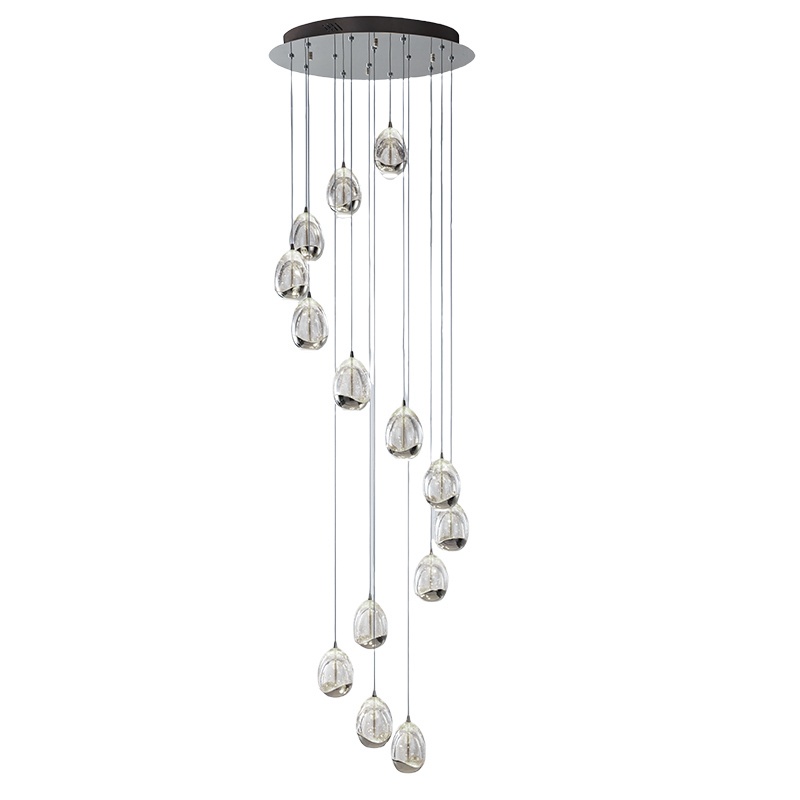
The Hidden Flaws Behind “Classic” Stairwell Fixtures
Why do classic fixtures fall short?
Traditional stairwell chandeliers look grand, but they often miss the real job: safe, clear vertical light. Legacy fixtures push light outward, not down the full run, so treads get shadows and glare spots. The old approach also relies on basic dimming, or none at all, which means awkward transitions and wasted energy. When multiple floors share one circuit, a single fault can black out the core—funny how that works, right? Add heavy frames, and maintenance becomes a rope-and-hoist event. The result: higher risk, higher cost, and unhappy facility teams.
Look, it’s simpler than you think. The gap is technical. Without a stable power architecture—clean power converters, matched drivers, and consistent dimming protocol (DALI or 0–10V)—you get flicker and short driver life. Without proper thermal management, LED modules sag in lumen output, and color shifts. Many “pretty” luminaires also skip vertical footcandle planning and code-aligned uniformity ratios, so nice photos become poor real-world visibility. This is where modern stairwell chandeliers pull ahead: they’re engineered for beam control, driver reliability, and safe maintenance access. Beauty plus backbone.
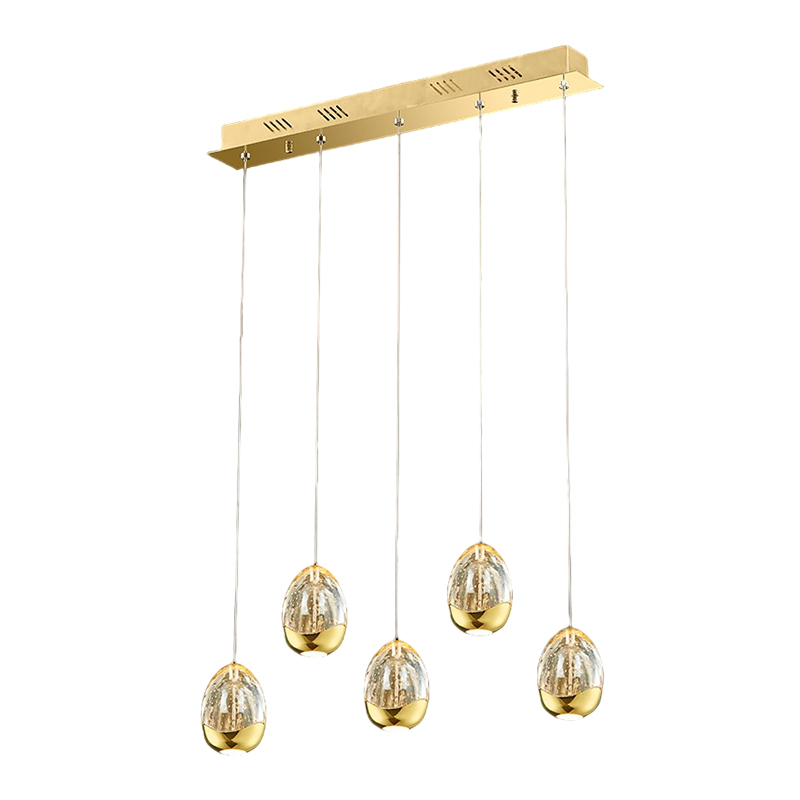
Comparative Insight: New Principles That Change What You Buy Next
What’s Next
Modern systems aren’t just brighter; they’re smarter and lighter on the grid. Think modular optics that push consistent vertical illumination from landing to landing. Think drivers that hold dimming curves steady during emergency transfer. In advanced setups, sensors and edge computing nodes coordinate occupancy and daylight, so light ramps with people—not just time. When you compare quotes, include lifecycle math: fewer truck rolls, longer driver life, better emergency egress behavior. And yes, procurement can still scale. Many lines now support wholesale chandelier lighting with matching finishes, shared drivers, and quick-swap LED engines—small choices that lower inventory risk and keep spec integrity across phases.
The takeaway is practical. We’ve moved from decorative-first to performance-first, without giving up the wow. New optics smooth the light wall; tuned drivers tame flicker at low dim; better thermal paths stabilize color and output year three, year five. The old problems—glare, dead zones, painful service—shrink when the system is specified as a stack: optics, driver, control, mount, and service plan. Compare by function, not just finish. Then the chandelier stops being a gamble and becomes a reliable asset—funny how alignment solves cost and safety at once.
Before you decide, use three clean metrics. 1) Vertical illumination and uniformity: measure light at risers and landings, not only on the floor. 2) Electrical and control integrity: match drivers, confirm dimming protocol, and verify transfer to emergency power without visible flicker. 3) Serviceability and lifecycle: check thermal management, access for cleaning and driver replacement, and documented lumen maintenance. Do this, and you’ll balance beauty with code, budget with uptime, and people with place. For a grounded view on parts, systems, and long-run reliability, see kinglong.a